 GamesNFans
Esports Performance: Hidden Challenges Athletes Face
Science reveals the hidden physical and mental challenges elite esports athletes face, from heart rate spikes to sleep loss. Learn how to protect your esports…
Frequently asked questions
Q: How many hours a day should a professional esports player actually train?
A: Based on the performance data, high-quality, focused practice is optimal at around 4 to 6 hours daily. Beyond that, cognitive fatigue sets in, making additional hours counterproductive and increasing the risk of repetitive strain injuries.
Q: Can meditation actually improve my gameplay, or is it just hype?
A: It is not hype. The science indicates that brief mindfulness sessions lower baseline cortisol levels. This helps you maintain a calmer heart rate during high-pressure moments, which directly preserves your fine motor control and reaction speed in clutch scenarios.
Q: What is the first sign of esports burnout I should look out for?
A: The earliest indicator is usually a loss of "flow." If you find that you are no longer enjoying the process of winning, or you feel irritable and restless during loading screens, your brain is signaling fatigue. Do not ignore it by playing more. That is the worst thing you can do.
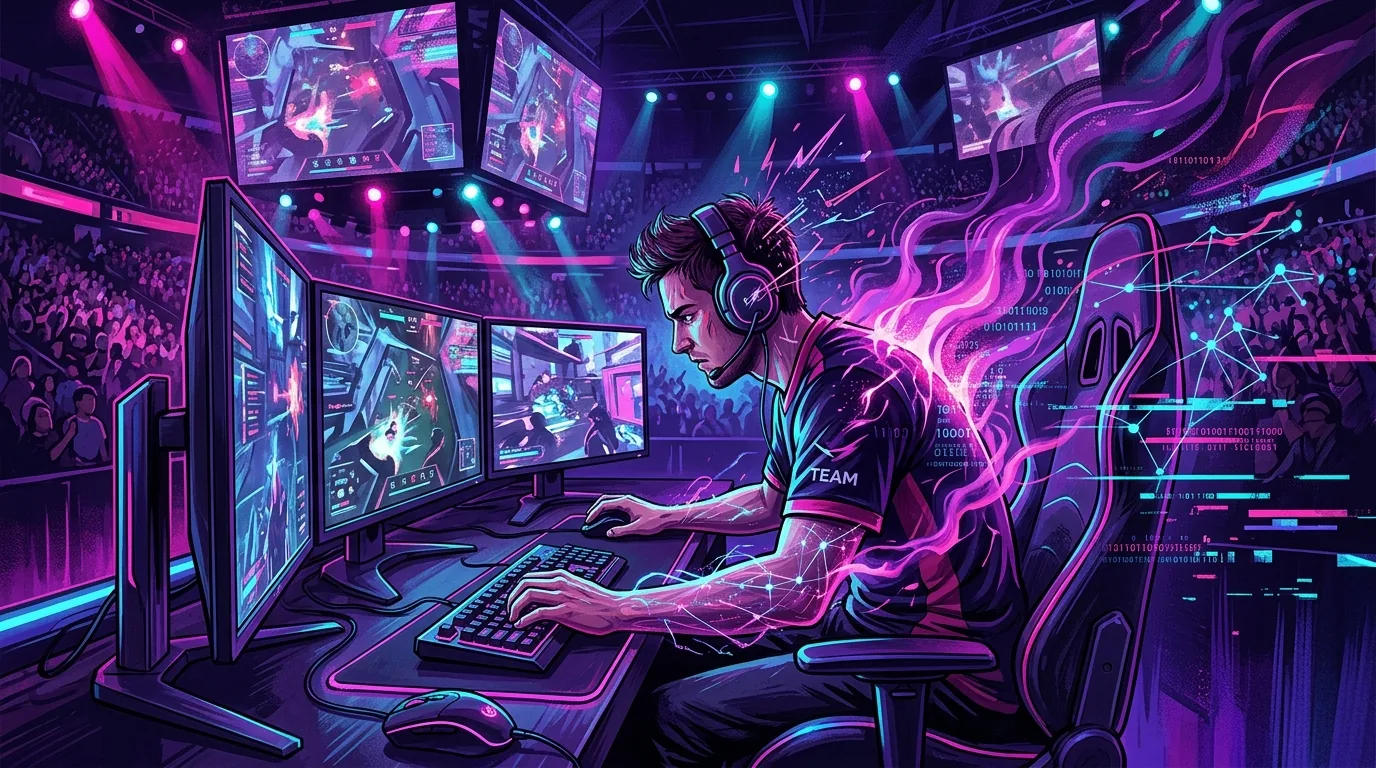
The Body Is Not a CPU Here is the first myth we need to shatter: esports is not a purely mental game. The study highlighted that elite players exhibit cardiovascular stress markers comparable to race
**Our Take: The Non-Negotiables**