
GamesNFans logo GamesNFans

Blind Asia Cup 2026: India Boycott Trophy Explained

Why India refused the Blind Asia Cup 2026 trophy after a washout, what it says about blind cricket governance, and the academy route for overseas fans.
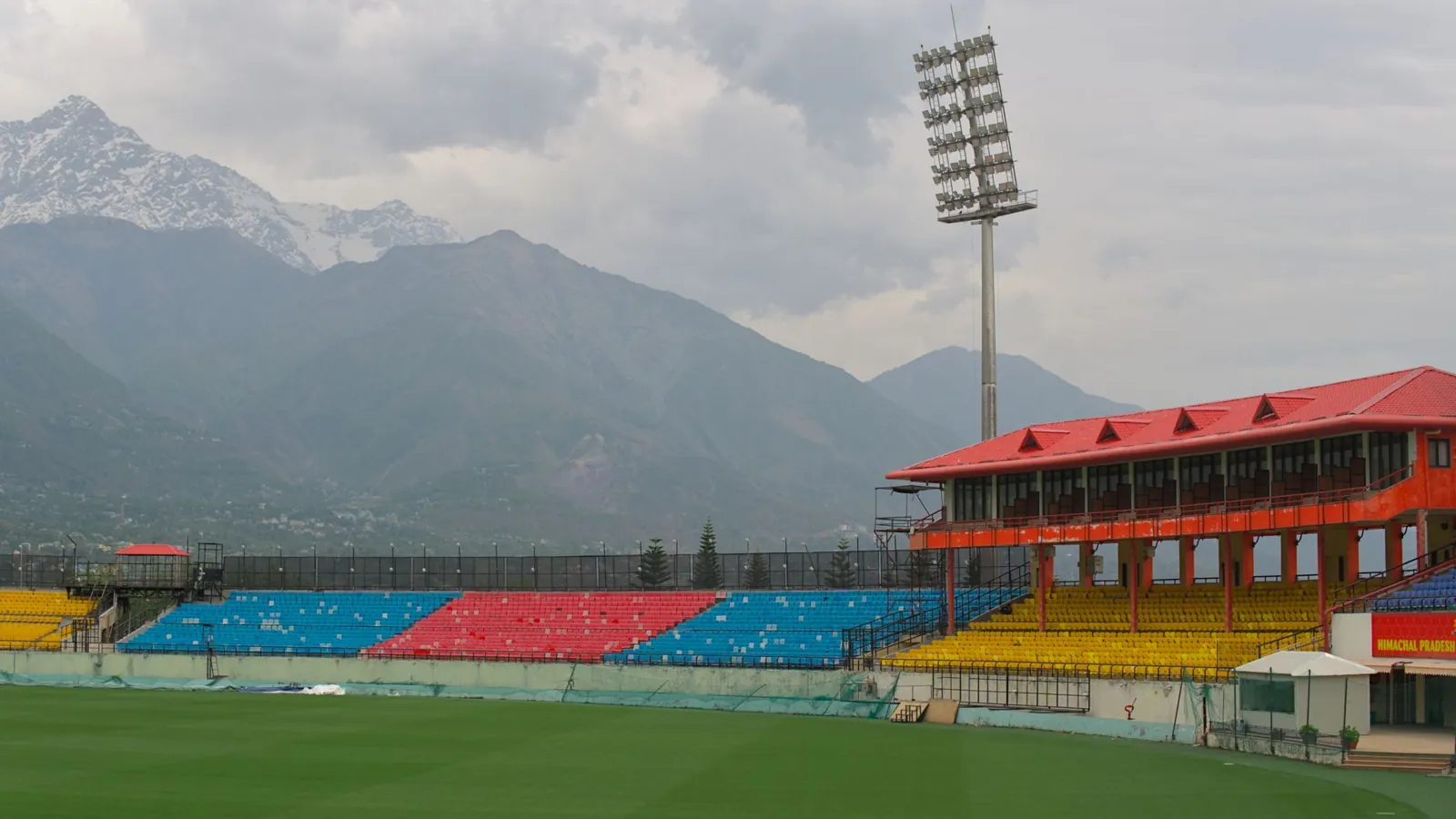
Blind Asia Cup 2026 Final: Why India Boycotted the Trophy and What It Means — illustrative featured image
![Blind Asia Cup 2026 Final: Why India Boycotted the Trophy and What It Means](https://images.unsplash.com/photo-1531415074968-036ba1b575da?w=1200&q=80) This one is a governance story wearing a cricket shirt, and the washout in the Blind Asia Cup 2026 final is the least interesting part of it. The final never produced a result. Rain did what rain does in November, the match was abandoned, and Pakistan were named winners of the Blind Asia Cup 2026 on the tournament's technical rules. India refused to collect the trophy. The players stayed in the dressing room, the presentation went ahead without them, and by the time the highlights package was cut, the argument had already left the ground and moved to social feeds in London, Manchester, Dallas and Berlin. If you are a fan in the US, UK or Europe who follows blind cricket through scorecards and clips rather than terraces, the whole thing probably read as confusing. Two teams, no ball bowled, one trophy handed over, one team walking. So let us untangle it, because the washout is not the scandal. The scandal is that nobody in charge seems to have planned for a final that could not be played, in a tournament where the weather forecast was public knowledge for a week. ## The washout was predictable, and that is the problem Blind cricket finals do not get reserve days by default. Tournament regulations are drawn up by the host board and the relevant blind cricket association, and in most editions the final is a single scheduled fixture with no buffer. If it rains, the competition's tie-break rules decide the winner. In this case, Pakistan advanced on the rules as written. India's objection is not that the rules were invented on the spot. It is that the rules were never communicated to the teams as a live possibility, and that a continental final was allowed to be decided by a coin-flip of weather rather than a shared, pre-agreed reserve day. Whether you think that is a legitimate grievance or sour grapes depends on how much faith you have in the administrators who wrote the regulations. Our view: if a final can be rained off with no reserve day, the regulations are the story. The players, to be fair, have handled it better than the officials. Pakistan collected the trophy without gloating. India made their point by staying away rather than by making a scene. The people who look worst are the ones who signed off on a schedule that left a final exposed to a November sky. ## Why this matters beyond one final Blind cricket sits in a strange spot. It is a genuine international sport with a real talent pipeline, a passionate following in South Asia, and almost no commercial infrastructure in the markets our readers live in. There is no broadcast deal worth the name in the UK or US. There is no merchandise line you can buy from a European address. There is no fantasy product, no streaming pass, no paid membership that a fan in Ohio or Leeds can hand over money for. That is the trust gap the boycott exposed. Fans who follow the sport closely are being asked to care about a trophy that the administrators themselves did not protect with a reserve day. You cannot build an audience on results that feel arbitrary. You cannot sell a final that might not happen. The one commercial lane that does exist for fans outside South Asia is the academy route. If you or a family member wants to actually play the game, the pathway runs through India, and the search for the [best cricket academy in india](https://www.gamesnfans.com/blog/cricket) is where most overseas families start. We will get to that, because it is the only part of this story where a reader in London or New Jersey can make a real decision with real money. ## What we recommend: the ranked options for a fan who wants to act Before the list, our criteria. We ranked these on three things: whether the option gives a fan outside South Asia a genuine way to engage with blind or adaptive cricket, whether the money involved is defensible in USD, and whether the option survives a governance failure like this one. An option that only works if the administrators get their house in order ranks lower. A named reason and a price for each. ### 1. Buy: a residential academy placement in India (around $1,800 to $4,500 per term) This is the only option that converts fandom into participation. A residential cricket academy placement in India, typically four to twelve weeks, runs from roughly $1,800 for a short skills term to $4,500 for a full season with accommodation and coaching. The named reason: it is the only route that puts a player in front of coaches who actually understand adaptive and blind cricket, because the talent pool and the coaching depth sit in India. Who should skip it: anyone expecting a European-style club membership. This is an immersion product, not a leisure activity. If you cannot commit four weeks minimum, do not buy it. ### 2. Value pick: a domestic adaptive cricket club membership in the UK (around $120 to $400 a year) If you are in the UK, the value pick is a local adaptive or visually impaired cricket club. Annual membership typically lands between $120 and $400, and it gives you weekly nets, a coach, and a social circle that does not depend on an international final being played. The named reason: it is the cheapest way to stay in the sport through a governance mess, because your Saturday session happens regardless of what the administrators do. Who should skip it: readers in the US, where visually impaired club cricket is thin on the ground. Check your state's adaptive sports network first. ### 3. The watch-and-support option: a streaming pass and a supporter membership (around $0 to $60 a year) Most blind cricket coverage outside South Asia is free clips and the occasional YouTube stream. Some national associations sell a supporter membership for around $30 to $60 a year. The named reason: it is the honest answer for most fans. You are not buying access to a product that does not exist yet. You are putting a small amount of money behind the sport while the administrators sort themselves out. Who should skip it: anyone who wants guaranteed live coverage. There is no guaranteed live coverage. That is the whole problem. ### 4. Avoid: any "official" blind cricket merchandise or memorabilia resold at a premium We have seen signed shirts and "commemorative" final merchandise listed at three and four times face value after controversies like this. The named reason to avoid: none of it is licensed, none of it benefits the players, and a washed-out final is exactly the moment when opportunists appear. Skip it. Buy a club membership instead. ## Our take The boycott was the right call, and the administrators should treat it as a warning shot rather than a PR problem. A continental final without a reserve day is not a sporting event. It is a scheduling accident waiting to happen, and it happened. For fans outside South Asia, the practical lesson is simpler. Do not build your engagement with blind cricket around international finals you cannot control. Build it around the academy route if you want to play, a local adaptive club if you want a weekly game, and a supporter membership if you want to put money behind the sport. The [best cricket academy in india](https://www.gamesnfans.com/blog/cricket) is where the playing pathway actually lives. The trophy ceremony, frankly, is where it does not. ## FAQ **Did India forfeit the Blind Asia Cup 2026 final?** No. The match was abandoned due to rain with no result. Pakistan were named winners under the tournament's technical rules, and India declined to attend the trophy presentation in protest at the absence of a reserve day. **Will there be a reserve day for future Blind Asia Cup finals?** That is the question the boycott was designed to force. Administrators have not confirmed a change, but the pressure is now public and the players have made clear they will not accept a repeat. **Can fans outside India watch or play blind cricket?** Yes, through national adaptive cricket associations in the UK and Europe, and through the academy route in India for players who want a residential placement. Prices for a residential term start around $1,800. ## Sources - Yahoo Sports coverage of the Blind Asia Cup 2026 final controversy (yahoo.com) - GamesNFans cricket coverage hub (gamesnfans.com)

Frequently asked questions

Did India forfeit the Blind Asia Cup 2026 final?

No. The match was abandoned due to rain with no result. Pakistan were named winners under the tournament's technical rules, and India declined to attend the trophy presentation in protest at the absence of a reserve day.

Will there be a reserve day for future Blind Asia Cup finals?

That is the question the boycott was designed to force. Administrators have not confirmed a change, but the pressure is now public and the players have made clear they will not accept a repeat.

Can fans outside India watch or play blind cricket?

Yes, through national adaptive cricket associations in the UK and Europe, and through the academy route in India for players who want a residential placement. Prices for a residential term start around $1,800.