
GamesNFans logo GamesNFans

Is Fantasy Cricket Legal in India? 2026 Guide

A plain-language breakdown of fantasy cricket law in India, state by state, with clear picks for US, UK and European readers. Know before you play.
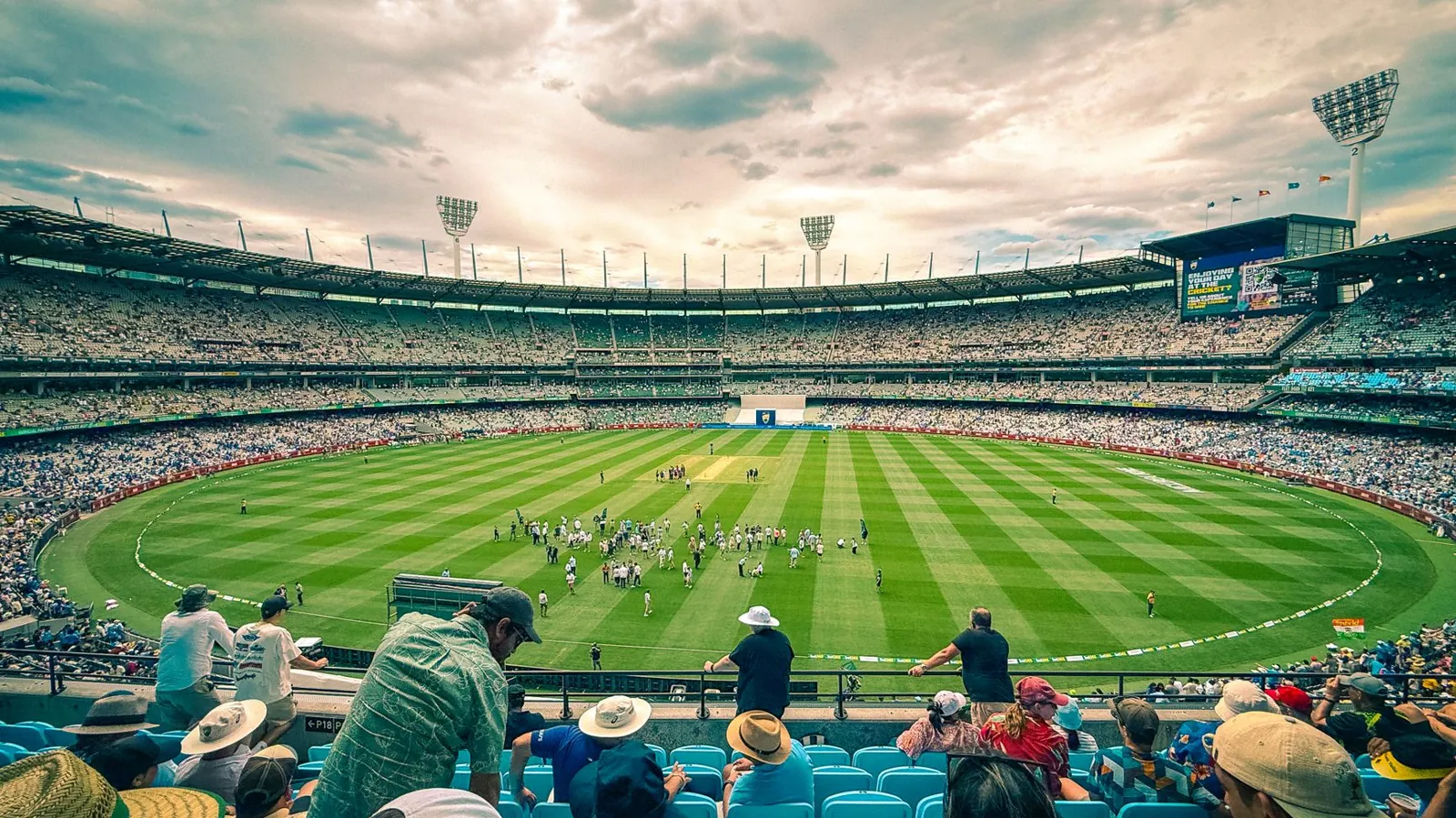
Is Fantasy Cricket Legal in India? What You Need to Know — illustrative featured image
# Is Fantasy Cricket Legal in India? What You Need to Know A friend of mine in Manchester built a fantasy cricket lineup for an IPL match last spring, won his mini-league, and then spent forty minutes trying to work out whether he'd done anything wrong. He hadn't. He was in the UK, picking a team on a site that operates openly there. But the question he kept Googling, "is fantasy cricket legal in India," had him spooked, because half the answers online read like a courtroom transcript and the other half read like an advert. Here's the thing. If you're in the US, UK or Europe and you're curious about Indian fantasy cricket, or you're following the rise of the [best esports player in india](https://www.gamesnfans.com) and wondering how the same country treats skill gaming, you deserve a straight answer. Not a legal disclaimer dressed up as a blog post. So we're going to rank the ways to think about this. Not describe it. Rank it. Because the honest answer depends entirely on where you're sitting and what you actually want to do. ## The criteria we used Before the list, here's how we judged each "option" (and by options, we mean the different positions you can take on this question). We weighted four things: - **Clarity for a non-Indian reader.** Can someone in Ohio or Leeds act on this without a law degree? - **Currency for 2026.** [Indian gaming](/blog/earn-while-you-play-how-students-are-getting-paid-for-gaming-and-how-you-can-too) law has moved fast. Anything older than about eighteen months is suspect. - **Practical usefulness.** Does it tell you what to actually do, or just what the rules technically say? - **Risk honesty.** Does it admit where the picture is genuinely murky instead of pretending it's settled? That last one matters more than the others. A lot of coverage of Indian fantasy cricket pretends the law is either crystal clear or hopelessly confused. Neither is true. ## Ranked: the five ways to read India's fantasy cricket rules ### 1. The "it's a game of skill" reading (the one that actually holds up) This is the position worth starting with, because it's the one Indian courts have mostly backed. Fantasy cricket in India isn't classified as gambling under central law. The Supreme Court of India ruled in 2017 (in a case involving the Karnataka High Court and the game of rummy, then extended in spirit to [fantasy sports](/blog/new-to-ipl-2026-how-to-pick-a-team-and-stick-with-it)) that games of skill sit outside the definition of gambling. Fantasy cricket, where you pick a lineup based on player form, pitch conditions and matchups, has been treated as skill-dominant. That's why major platforms operate openly across most of the country. So when people ask "fantasy cricket is legal in india," the accurate answer is: yes, in most states, because it's regulated as a skill game rather than a game of chance. That's the headline. It's also where most readers should stop if they just want the short version. **Who should skip this:** anyone in Assam, Odisha, Telangana, Andhra Pradesh, Nagaland or Sikkim. More on that below. ### 2. The state-by-state map (the one that actually answers "why is it banned") Here's where it gets interesting, and where most explainers fall apart. India doesn't have one fantasy cricket law. It has a central framework plus a patchwork of state rules, and several states have passed their own legislation restricting or banning online fantasy sports and skill gaming that involves money. The reason isn't moral panic. It's a mix of consumer protection concerns, tax disputes and genuine disagreement about where "skill" ends and "chance" begins. The states that have moved against it, at various points: | State | Status | Why it matters to you | |---|---|---| | Assam | Restricted | Skill gaming rules tightened | | Odisha | Restricted | Separate state legislation | | Telangana | Restricted | Early mover against online gaming | | Andhra Pradesh | Restricted | Followed Telangana | | Nagaland | Licensed, not banned | Regulated rather than prohibited | | Sikkim | Licensed | Operates under a licensing regime | Notice the split. Some states ban. Some license. That's the whole story in one table, and it's why "why fantasy cricket is banned in india" is a slightly misleading search. It isn't banned nationally. It's banned in specific states, and the list shifts. **Who should skip this:** anyone who wants a permanent answer. There isn't one. The map changes. ### 3. The "it's a commercial product" reading (the one with actual prices) If you're outside India and you're thinking about this from a business or content angle, the numbers matter. Major Indian fantasy cricket platforms run free contests and paid contests. The paid entry tiers typically start around 10 to 49 rupees, which is roughly $0.12 to $0.60 at current exchange rates. Premium contests on big IPL nights can run into the thousands of rupees, but the entry-level product is cheap by design. That's the model: high volume, low ticket. For a US or UK reader, that pricing tells you something useful. This isn't a high-stakes product. It's a mass-market one, closer to a daily fantasy football app in the States than anything else. The regulatory fight is about scale, not about whales. **Who should skip this:** anyone hoping for a clean comparison to DraftKings or FanDuel pricing. The structures are different and the tax treatment is different. ### 4. The esports parallel (the one that explains the ecosystem) Here's the connection most cricket coverage misses. India's treatment of fantasy cricket sits inside a broader conversation about skill gaming, and that conversation is the same one powering the country's esports boom. The best esports player in india competes under the same "skill vs chance" legal logic that keeps fantasy cricket alive in most states. When Indian regulators argue about fantasy sports, they're arguing about the same category of activity that lets [competitive gaming](/blog/how-to-become-an-esports-player-a-step-by-step-guide) thrive. That's not a tangent. It's the frame. If you understand why esports is legal in India, you understand why fantasy cricket mostly is too. **Who should skip this:** people who only care about cricket and find the gaming crossover annoying. Fair enough. ### 5. The "wait for the rules to settle" reading (the honest one) If you're a US, UK or European reader with no Indian residency, none of this directly binds you. Fantasy cricket platforms that operate in your market are governed by your market's rules, not India's. The Indian legal question matters to you for two reasons: it affects which platforms can serve Indian users, and it shapes the global narrative around skill gaming. For everyone else, the honest recommendation is: don't build a business plan around a legal map that redraws itself every couple of years. Watch it. Don't bet the farm on it. **Who should skip this:** anyone who wants a definitive green light. There isn't one, and pretending otherwise would be worse than saying so. ## Our take: what we'd actually recommend We're not going to pretend there's a product to buy here. There isn't. This is a "none of these yet" situation for most of our readers, and we'd rather say that than manufacture a recommendation. But if you want a decision: **The one to follow:** the Supreme Court's skill-game framework. It's the most durable piece of the puzzle and the one that most directly answers "fantasy cricket is legal in india" for the majority of states. **The value pick:** the state-by-state table above. It's free, it's current enough for 2026, and it will save you from repeating the "it's banned in India" line that gets passed around on forums. **The one to avoid:** any article that treats this as settled in either direction. If a piece tells you fantasy cricket is flatly illegal in India, it's wrong. If it tells you it's flatly legal everywhere, it's also wrong. The truth is a map, not a switch. And one more thing. If you're here because you searched "best esports player in india" and landed on a cricket article, stick around. The legal logic connecting the two is genuinely worth understanding, and it's the same logic that decides whether the next big competitive game gets a green light in the world's biggest cricket market. ## FAQ **Is fantasy cricket legal in India right now?** In most states, yes. It's treated as a game of skill under the Supreme Court's framework. A handful of states (Assam, Odisha, Telangana, Andhra Pradesh and others) have their own restrictions, so the answer depends on where the player is located. **Why is fantasy cricket banned in some Indian states?** Those states have passed their own legislation treating paid online skill gaming as a regulated or prohibited activity, usually citing consumer protection and tax concerns. It's a state-level decision, not a national ban. **Does this affect players in the US, UK or Europe?** Not directly. Platforms serving your market follow your market's rules. The Indian legal picture matters mainly for understanding which platforms can operate there and how the global skill-gaming debate is shaping up.

Frequently asked questions

Is fantasy cricket legal in India right now?

In most states, yes. It's treated as a game of skill under the Supreme Court's framework. A handful of states (Assam, Odisha, Telangana, Andhra Pradesh and others) have their own restrictions, so the answer depends on where the player is located.

Why is fantasy cricket banned in some Indian states?

Those states have passed their own legislation treating paid online skill gaming as a regulated or prohibited activity, usually citing consumer protection and tax concerns. It's a state-level decision, not a national ban.

Does this affect players in the US, UK or Europe?

Not directly. Platforms serving your market follow your market's rules. The Indian legal picture matters mainly for understanding which platforms can operate there and how the global skill-gaming debate is shaping up.