
GamesNFans logo GamesNFans

How VAR Works in the Premier League 2026: Fan Guide

Confused by VAR? Learn how Premier League VAR works in 2026, why offside calls still cause fury, and how to build a PC for gaming that shows every replay in de…
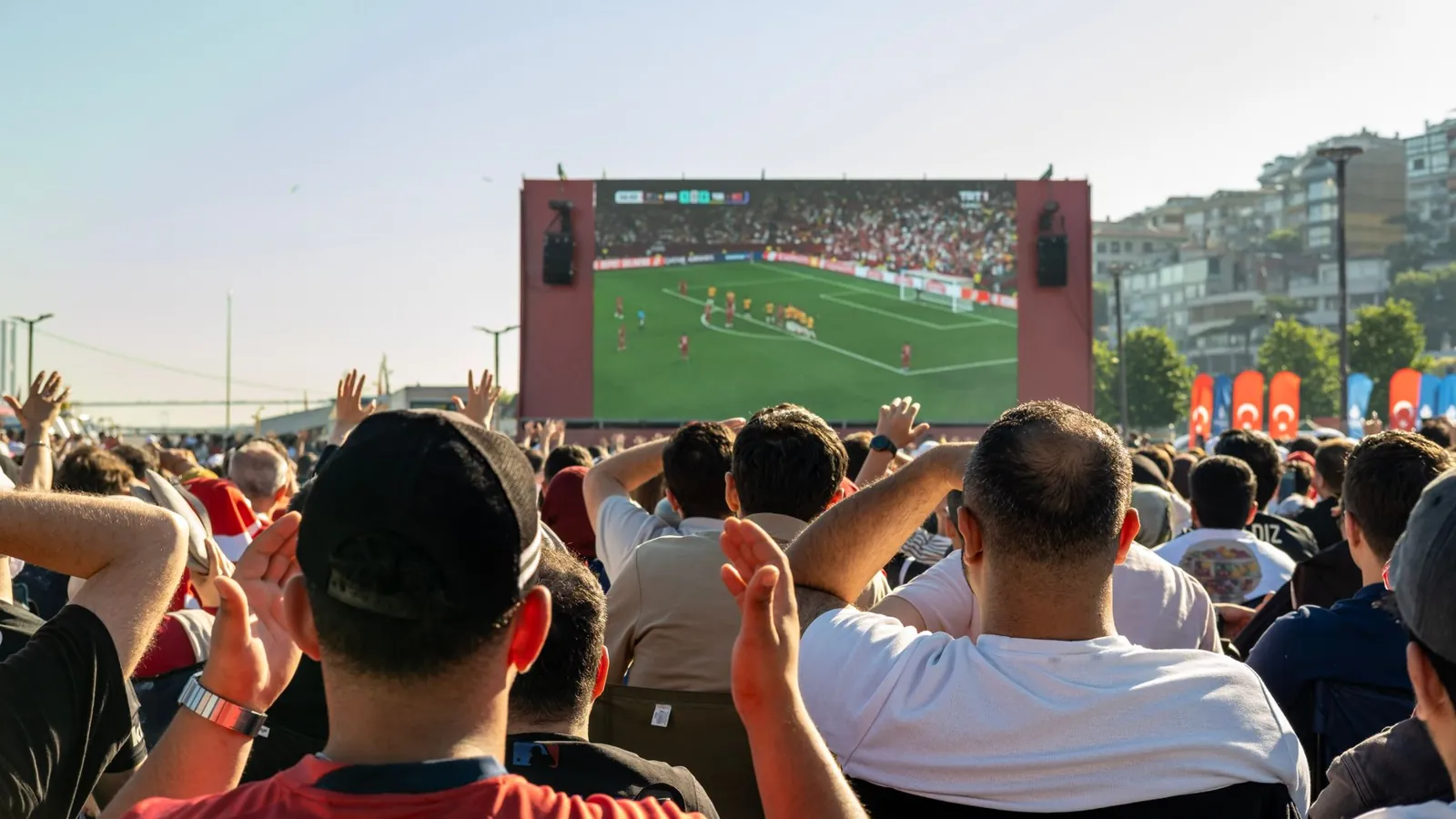
VAR in the Premier League 2026: How It Works and Why Fans Are Still Angry — illustrative featured image
# VAR in the Premier League 2026: How It Works and Why Fans Are Still Angry Picture the scene. It is a Sunday afternoon in November, the pub is packed, and a goal has just gone in. For ninety seconds nobody cheers. Everyone stares at the big screen while a man in a booth 200 miles away draws a line across a defender's armpit. Then the goal is disallowed, the pub groans, and someone shouts the same sentence you have heard a thousand times: "What is the point of VAR?" By the end of this piece you will understand exactly how VAR works in 2026, why the same decisions keep causing fury, and, yes, how to build a PC for gaming that lets you watch and argue about all of it in proper 4K. Give it ten minutes. You will leave with a clear view of the rules and a better argument at the pub. ## First, the thing nobody explains properly VAR stands for Video Assistant Referee. It is not a second referee. It is not a robot that overrules humans. It is a team of officials sitting in a studio in Stockley Park, near London, watching the same broadcast feeds you do, plus a few extra camera angles, and telling the on-field referee when he has made a "clear and obvious error" or missed a "serious missed incident." That phrase, "clear and obvious," is where most of the anger lives. It is deliberately vague. The [Premier League](/blog/var-controversies-in-the-premier-league-how-to-understand-and-debate-them)'s own guidance says the VAR should only intervene when the mistake is obvious to everyone watching. In practice, "obvious" is a judgment call made by a human being under pressure, and fans rarely agree with it. VAR can only get involved in four situations: 1. Goals (including the build-up phase, which is where offside lines come in) 2. Penalty decisions 3. Direct red cards 4. Mistaken identity (the wrong player was booked or sent off) That is it. If your team concedes a corner that should have been a goal kick, VAR cannot help you. This trips people up constantly. ## Why the offside lines still drive people mad The 2026 version of semi-automated offside is faster than the system that debuted a couple of seasons ago. Limb-tracking cameras and a chip in the ball mean the system can flag an offside in around 25 seconds in most cases. When it works, it is genuinely impressive. When it does not, it produces the kind of weekend the BBC was picking apart incident by incident, with several marginal calls going against the attacking side and pundits lining up to call it a bad weekend for the technology. Here is the core problem. Offside was never designed to be measured to the millimetre. The law says a player is offside if any part of the head, body or feet is nearer to the goal line than the second-last defender. It does not say "by 2.4 centimetres." When the technology can measure a toenail, the law starts to feel absurd, and fans feel robbed by geometry rather than beaten by football. ### The tolerance question Some leagues have introduced a tolerance margin: if the attacker and defender are within a few centimetres, the attacker gets the benefit of the doubt. The [Premier League](/blog/why-big-summer-signings-flop-lessons-from-the-premier-league) has debated it for years. As of this season, the guidance still leans toward precision over tolerance, and that is the single biggest source of VAR controversy in 2026. Our view: a sport played by humans at speed should not be decided by a measurement no human eye could ever make. ## The four things that go wrong, and how to spot them ### 1. The review takes too long **What goes wrong:** The referee jogs to the monitor, watches eight replays at different speeds, and the crowd has no idea what is happening. Four minutes pass. The game's rhythm dies. **How to tell:** If the stadium screen shows "Checking: possible penalty" for more than about 90 seconds, expect a long one. The [Premier League](/blog/how-to-choose-the-perfect-premier-league-team-to-support-a-fan-s-guide) has a target of keeping most reviews under a minute. It does not always hit it. ### 2. The camera angle is inconclusive **What goes wrong:** Everyone in the ground is certain it was a handball. The VAR has one blurry angle and cannot say for sure, so the on-field decision stands. Fans read this as "they ignored it." **How to tell:** Watch for the broadcast cutting to a replay that shows the incident from behind a forest of heads. If the director cannot find a clean angle, neither can the VAR. ### 3. The "clear and obvious" bar moves **What goes wrong:** One week a soft push is overturned, the next week an identical push is left alone. Consistency is the thing fans want most and get least. **How to tell:** Keep a mental note of similar incidents across a weekend. If two nearly identical challenges get opposite outcomes, you have found the inconsistency everyone complains about. ### 4. The communication gap **What goes wrong:** The referee explains nothing. The stadium announcer reads a dry sentence. Nobody knows why the goal was chalked off. **How to tell:** This one is easy. If you leave the ground still unsure what the decision was, the communication failed. Some competitions now broadcast the referee's in-stadium explanation. The [Premier League](/blog/top-20-highest-rated-premier-league-players-in-fc27-arsenal-liverpool-dominate) has been slower to adopt it, and it shows. ## What it costs to follow this properly (and how to build a PC for gaming that keeps up) If you are watching from the US, UK or Europe and you want to actually see the offside lines, a phone screen will not cut it. Here is a rough guide to what a decent viewing and [gaming setup](/blog/the-manchester-city-verdict-what-it-means-for-premier-league-fans) runs you in USD. | Setup | What you get | Rough cost (USD) | |---|---|---| | Budget 1080p build | Smooth streaming, light gaming, fine for casual viewing | $500 to $700 | | Mid-range 1440p build | Sharp replays, high refresh rate, handles most modern games | $900 to $1,200 | | High-end 4K build | Broadcast-quality picture, future-proof for a few years | $1,600 to $2,500 | The goal most people actually have is simple: watch a match in crisp detail, pause on the offside line, and not have the stream stutter at the exact moment of the decision. You do not need a $2,500 rig for that. A mid-range build with a decent graphics card, 16GB of RAM and a fast SSD will do the job and leave room for gaming. ### Our take: what we recommend If you are building primarily to watch football and play games on the side, we would spend the money on the display before the tower. A good 1440p monitor with a high refresh rate makes more difference to how a replay looks than an extra tier of graphics card. For the build itself, an AMD Ryzen 5 or Intel Core i5 paired with something like an NVIDIA RTX 4060 or AMD Radeon RX 7600 is the sweet spot in 2026. Add 16GB of RAM, a 1TB NVMe drive, and a solid 650W power supply from a brand you trust, and you are done. Skip the RGB. Put the savings into the monitor. If you are on a tight budget, honestly, none of the fancy builds are necessary yet. A 1080p setup and a decent tablet will cover you, and you can upgrade when the next console generation pushes game requirements up. ## The bigger argument: technology did not fix the argument, it moved it Here is the uncomfortable truth. VAR did not create controversy. It moved it from the referee on the pitch to the officials in the booth. Before VAR, we argued about whether the referee got it right. Now we argue about whether the technology interpreted the law correctly, which is a much harder argument to win because it involves frame rates, camera angles and the precise wording of the offside rule. Fans are still angry in 2026 for a simple reason: the technology promised certainty and delivered a new kind of uncertainty. The fix is not more cameras. It is clearer communication, a tolerance margin for offside, and referees who explain their decisions to the crowd. Those are cheap changes. They just require the will to make them. So next time the pub groans at a disallowed goal, you will know exactly what happened, why it happened, and what would need to change for it not to happen again. That is a better argument than "what is the point of VAR." And if you want to win that argument in style, you now know how to build a PC for gaming that shows every angle in the detail it deserves. ## FAQ **Why was my team's goal disallowed by VAR when it looked onside?** The system measures the position of the attacker's body relative to the second-last defender at the exact moment the ball is played. A margin of a few centimetres can decide it. If the lines show the attacker ahead, the goal is ruled out, even if it looks level to the naked eye. **Can VAR review a corner or throw-in decision?** No. VAR only covers goals, penalties, direct red cards and mistaken identity. A wrong corner call cannot be reviewed, which is why some fans feel the system is inconsistent about what it will and will not check. **How long should a VAR review take?** The Premier League targets under a minute for most checks, and semi-automated offside is designed to resolve in around 25 seconds. Longer reviews usually mean the officials are struggling to find a conclusive camera angle.

Frequently asked questions

Why was my team's goal disallowed by VAR when it looked onside?

The system measures the position of the attacker's body relative to the second-last defender at the exact moment the ball is played. A margin of a few centimetres can decide it. If the lines show the attacker ahead, the goal is ruled out, even if it looks level to the naked eye.

Can VAR review a corner or throw-in decision?

No. VAR only covers goals, penalties, direct red cards and mistaken identity. A wrong corner call cannot be reviewed, which is why some fans feel the system is inconsistent about what it will and will not check.

How long should a VAR review take?

The Premier League targets under a minute for most checks, and semi-automated offside is designed to resolve in around 25 seconds. Longer reviews usually mean the officials are struggling to find a conclusive camera angle.