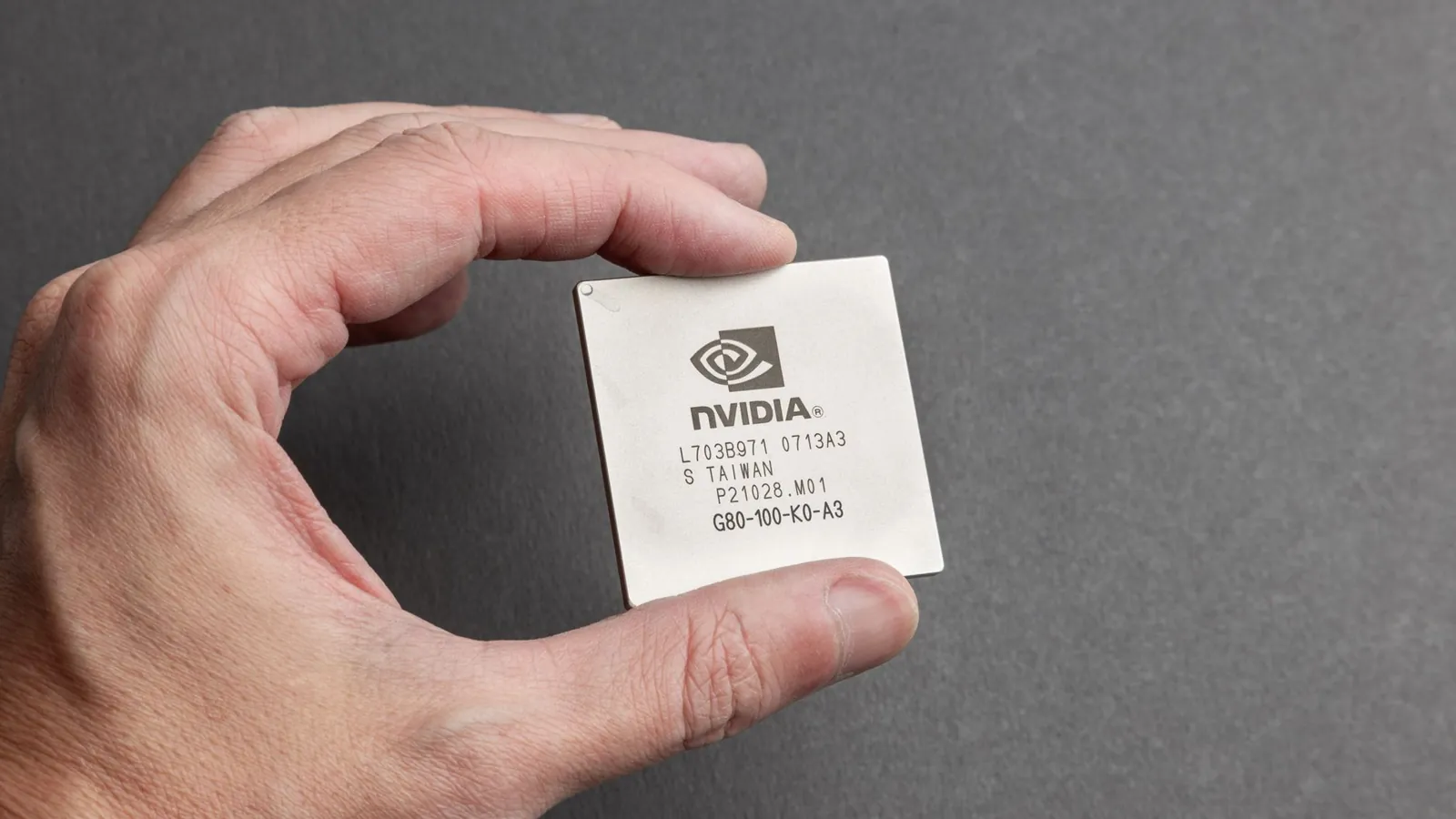
NVIDIA GPU prices are climbing fast. Learn how to compare PC builds, set buy triggers, and protect your 2026 upgrade budget in the US, UK and EU.
## The 41 Percent Wake-Up Call
A 41 percent overnight jump in Japanese GPU listings, reported this week, is the kind of number that makes you check your basket twice. If you are planning a 2026 upgrade, you have roughly six weeks to decide before US and European pricing catches up. This guide takes about ten minutes to read and gives you a numbered plan: when to buy, when to wait, and [how to compare PC builds](/blog/how-to-boost-your-gpu-performance-without-buying-a-new-one) without overpaying for a card that was cheaper last month.
NVIDIA's consumer cards have climbed steadily since spring. The pattern is familiar: supply tightens, regional prices spike first, then the US, UK and EU follow within a quarter. Japan is the canary. Right now, an RTX 5070 Ti that sat at $749 in January is listing near $899 in several US retailers, and UK buyers are seeing £720 and up. That is not a sale you wait out. That is a market telling you something.
Here is how to protect your budget anyway.
## Step 1: Fix Your Real Budget Before You Fix Your GPU
Write down two numbers: the total you can spend on the whole build, and the maximum you will pay for a graphics card alone. For most 1440p players in 2026, that second number should be no more than 40 percent of the first. If your total is $1,500, your GPU ceiling is $600. Done.
**What goes wrong:** you set the ceiling after browsing, not before. Retail listings anchor you to whatever is in stock, and you talk yourself into $750 because "it's only $150 more." It is never only $150 more. That is a monitor, or a CPU tier, or six months of Game Pass.
**How to tell it went wrong:** you are comparing cards you cannot afford against each other. Stop. Go back to the ceiling.
## Step 2: Learn How to Compare PC Builds in a Spiking Market
This is the step most people skip, and it costs them the most money. Comparing builds in a GPU price spike is not about which card is fastest. It is about which combination of CPU, GPU and monitor gives you the frame rate you actually want at the resolution you actually play.
Use this table as your filter:
| Resolution | Target FPS | GPU tier to aim for | What to avoid |
|---|---|---|---|
| 1080p | 144+ | RTX 5060, RX 9060 | Anything above $400 |
| 1440p | 120+ | RTX 5070, RX 9070 | Flagships at spiked prices |
| 1440p ultrawide | 100+ | RTX 5070 Ti, RX 9070 XT | New-gen halo cards |
| 4K | 60+ | RTX 5080 and up | Buying during a spike |
**What goes wrong:** you compare builds by GPU model alone and ignore the monitor. A 5070 Ti paired with a 1080p 60Hz panel is wasted money. You will feel nothing.
**How to tell it went wrong:** your build list costs $1,800 and your display cost $120. That mismatch means you bought a card you cannot see.
## Step 3: Set a Buy Trigger, Not a Buy Date
Prices in a spike do not fall on a schedule. They fall when supply returns, and nobody announces that in advance. So do not plan to buy "in November." Plan to buy when a specific card hits a specific price.
Pick three cards. Write a trigger price for each. Example for a US buyer:
- RTX 5070: buy at $549 or below
- RX 9070: buy at $529 or below
- RTX 5070 Ti: buy at $799 or below
Then use a price tracker and leave it alone. In the UK and EU, do the same in pounds and euros, and remember VAT is baked into listed prices there, so a £649 card is not directly comparable to a $649 card.
**What goes wrong:** you buy on emotion during a restock. Restocks create urgency, and urgency is where budgets die.
**How to tell it went wrong:** you paid above your trigger and told yourself it was fine. It was not fine. It was the spike winning.
## Step 4: Consider the Alternatives Honestly
There are three real options in a 2026 spike, and one fake one.
**Option A: Buy now at the current price.** Sensible only if your current card is dead or you are building for a specific release you cannot miss. You will overpay. Accept that as the cost of timing.
**Option B: Wait one quarter.** Historically, regional spikes ease within 90 to 120 days as supply reroutes. This is the highest-value move for most readers.
**Option C: Buy used or previous-gen.** A used RTX 4070 Super at $380 to $450 is genuinely good value for 1440p, and it will hold up for two more years. Check warranty status and avoid cards that have been mined on.
**Option D (the fake one): buy a cheaper card now and upgrade again in six months.** You will spend more in total than if you had waited or bought one tier up once.
## Step 5: Lock the Rest of the Build First
If you must buy during the spike, buy everything except the GPU. CPUs, motherboards, RAM and SSDs are not spiking. DDR5 prices have actually softened in the US and EU this year. Build the machine, run it on integrated graphics or a borrowed card, and wait for your trigger price.
**What goes wrong:** you buy the GPU first because it feels like the important part, then discover the rest of the build has gone up too. Order matters.
**How to tell it went wrong:** you have a $900 card sitting in a box because you cannot afford the rest.
## Our Take
If your card works, wait. Set triggers, track prices, and revisit in January. The Japan spike is a warning, not a verdict, and US and EU supply usually corrects.
If you must buy now, buy the RTX 5070 at or near $549, or a used RTX 4070 Super around $400. Skip the halo cards entirely this cycle. An RTX 5080 at spiked pricing is the worst value in the current market, and no amount of benchmark bragging fixes that.
For 1440p players on a budget, the AMD Radeon RX 9070 remains the smarter buy if you can find it within $30 of MSRP. Ray tracing is weaker, but the raster performance per dollar is not close right now.
## FAQ
**Will NVIDIA GPU prices drop before 2027?**
Probably, but not predictably. Regional spikes have historically eased within one quarter. Set a trigger price and let the market come to you.
**Should I buy a used GPU during a price spike?**
Yes, if it is one generation old, still under warranty, and priced at least 30 percent below the new equivalent. Avoid anything sold as "lightly mined."
**Is it worth waiting for the next generation?**
Not if you need a card now. Next-gen launches in a spike tend to arrive at inflated prices too. Buy the tier you need, not the tier that is coming.
Frequently asked questions
Will NVIDIA GPU prices drop before 2027?
Probably, but not predictably. Regional spikes have historically eased within one quarter. Set a trigger price and let the market come to you.
Should I buy a used GPU during a price spike?
Yes, if it is one generation old, still under warranty, and priced at least 30 percent below the new equivalent. Avoid anything sold as "lightly mined."
Is it worth waiting for the next generation?
Not if you need a card now. Next-gen launches in a spike tend to arrive at inflated prices too. Buy the tier you need, not the tier that is coming.
 GamesNFans